

Rice Imports Spark Fresh Debate Over Kenya’s Agricultural Future
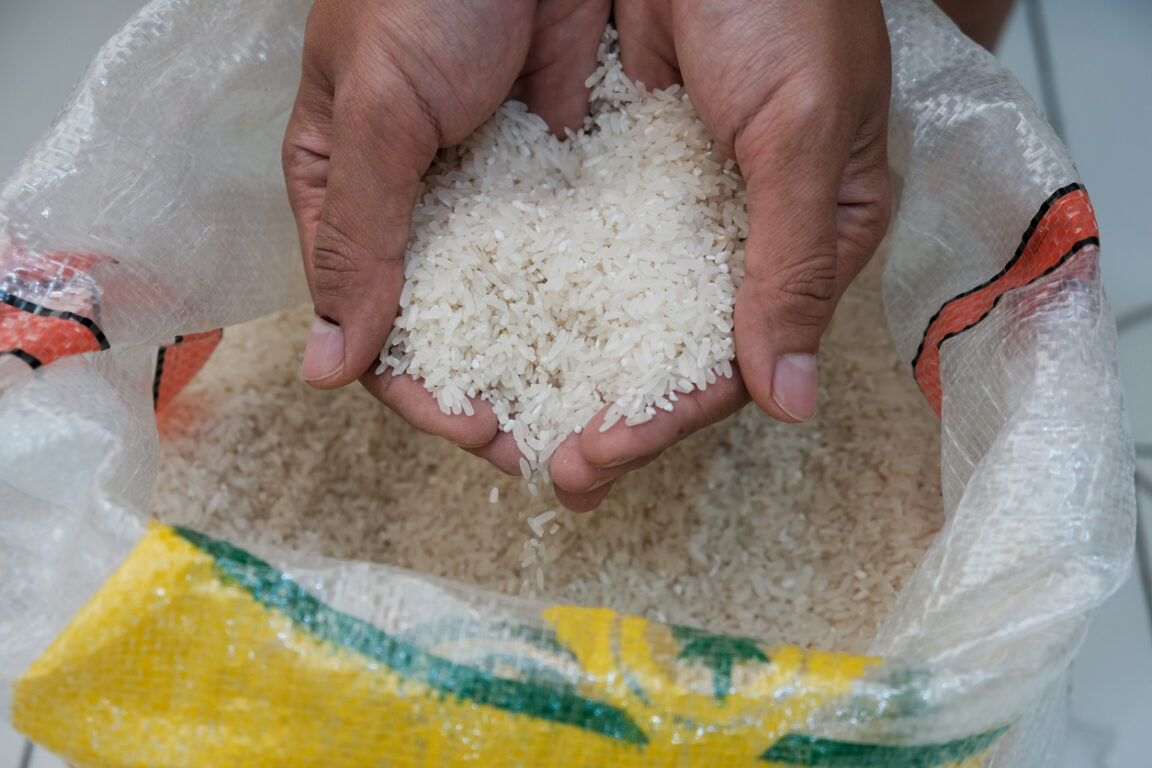
Kenya’s growing dependence on imported rice is once again exposing the delicate balance between food security and the protection of farmers. As lawmakers push for a bailout for local rice farmers amid a surge in imports, the debate is increasingly centred on whether the country can protect domestic producers while feeding a rapidly growing population.
The renewed pressure follows concerns that cheaper imported rice is flooding the market at a time when local farmers are struggling with high production costs, delayed payments, and shrinking market share. Legislators now want the government to intervene before local rice farming becomes economically unsustainable.
Farmers Caught in an Uneven Market
Rice farmers in major producing regions such as Mwea, Ahero, and Bunyala argue that imported rice continues to undercut locally grown produce. Imported consignments often arrive at lower prices, making it difficult for local millers and traders to compete.
Lawmakers supporting the bailout warn that the situation could discourage farmers from continuing production altogether. If farmers cannot recover their investments after months of cultivation, irrigation, and harvesting, many may abandon rice farming or switch to alternative crops.
However, the challenge facing policymakers is more complex than simply limiting imports. Kenya consumes far more rice than it produces locally. Government estimates indicate that domestic production meets less than 20 per cent of annual demand, leaving imports to fill the large deficit. (The Star)
That reality raises an uncomfortable question: can Kenya protect local farmers without increasing food prices for consumers?
Food Security Versus Farmer Protection
The government has repeatedly defended duty-free rice imports as necessary to stabilise prices and prevent shortages. Officials argue that restricting imports could expose millions of Kenyans to higher food costs and worsen food insecurity, especially in urban areas where rice has become a staple food. (Business Daily)
Recent court disputes over rice imports highlighted this tension. While farmers and some leaders argued that unrestricted imports hurt local producers, the State maintained that imports remain necessary because local production cannot meet national demand. (The Eastleigh Voice)
A bailout may temporarily cushion farmers, but it does not address the deeper imbalance between local production and consumption needs.
Beyond Subsidies
The current debate also exposes long-standing weaknesses in Kenya’s agricultural system. Farmers have consistently complained about high fertiliser costs, inadequate irrigation infrastructure, expensive farm inputs, and unreliable market access.
Critics argue that repeated bailouts risk becoming short-term political fixes rather than long-term reforms. Instead of reacting whenever imports rise, analysts say the government should focus on improving productivity and lowering the cost of local rice production.
Others point to the need for better storage facilities, modern milling systems, and guaranteed markets through institutions such as the Kenya National Trading Corporation.
A Sector at a Crossroads
The rice debate reflects a broader national dilemma. Kenya wants affordable food for consumers, but it also wants a thriving local agricultural sector. Achieving both goals simultaneously is proving increasingly difficult in a liberalised market shaped by global trade pressures and climate-related production shocks.
For now, lawmakers appear determined to shield local farmers from the full impact of imports. But unless broader reforms improve productivity, irrigation, and market access, the calls for bailouts are likely to persist.
The real challenge for Kenya is not simply how to rescue rice farmers today, but whether it can build an agricultural system strong enough to compete tomorrow.