

Africa’s Cancer Care Pivot: Technology, Access, and the Limits of Progress
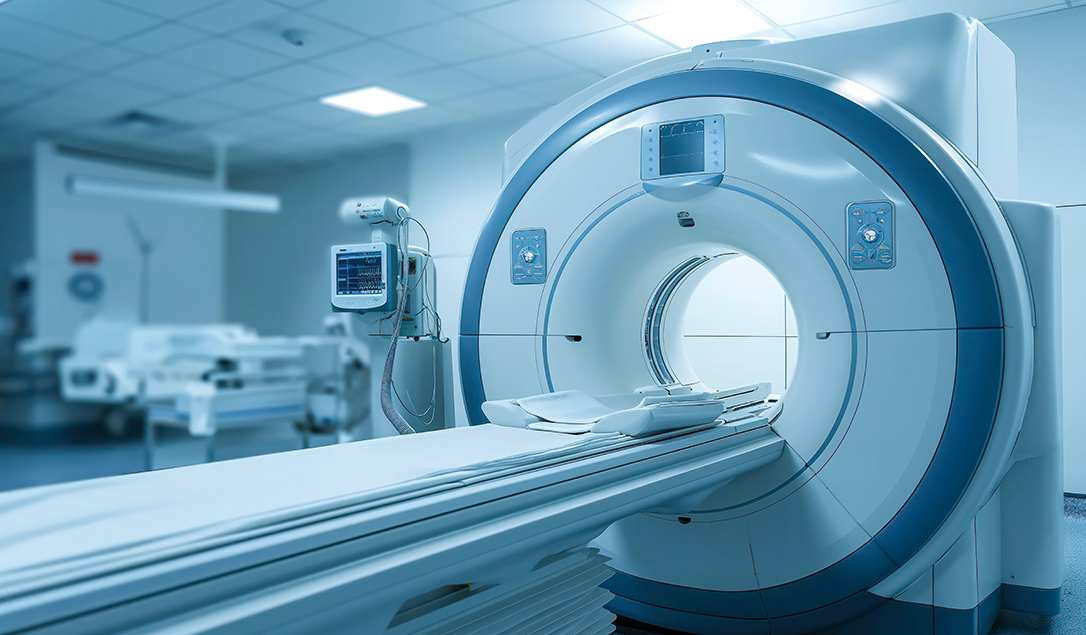
Africa’s cancer burden is no longer a distant projection. It is a present and expanding reality, placing sustained pressure on health systems that were historically designed to manage infectious disease rather than chronic illness. Against this shifting epidemiological landscape, the commissioning of advanced radiotherapy technology at the Aga Khan University Hospital in Nairobi signals a notable inflection point. It reflects a gradual but deliberate transition toward strengthening oncology capacity within the region.
Radiotherapy sits at the core of modern cancer treatment, used in an estimated 50 to 60 per cent of cases globally. Its availability, however, has long been uneven across Africa. Limited infrastructure, high capital costs, and shortages of specialised personnel have constrained access, leaving many patients without viable treatment options. The introduction of advanced radiotherapy systems alters this equation. At least in part. These technologies allow for greater precision in targeting tumours, minimising damage to surrounding tissue and improving clinical outcomes.
This development is not occurring in isolation. It aligns with a broader pattern of investment in high-end medical infrastructure, increasingly driven by private healthcare institutions and cross-border collaborations. Facilities equipped with advanced oncology capabilities are beginning to position themselves as regional referral centres, drawing patients from beyond national borders. In doing so, they are reshaping the geography of healthcare access, shifting from nationally bounded systems to networks of specialised hubs.
Yet the expansion of capability introduces a parallel question of access. Advanced treatment is only as impactful as its reach. In many parts of Africa, the cost of cancer care remains prohibitive, and specialized facilities are concentrated in major urban centres. This creates a structural imbalance. On one side, there is measurable progress in clinical capacity. On the other hand, there is continued inequality in who can benefit from that progress. The presence of technology does not, in itself, resolve the barriers of affordability and distribution.
The underlying driver of this shift is demographic and economic change. As life expectancy rises and urbanisation accelerates, non-communicable diseases such as cancer are becoming more prevalent. This transition requires a recalibration of health priorities. Systems that once focused predominantly on communicable diseases are now being compelled to integrate long-term care models, including diagnostics, oncology, and chronic disease management. The investment in radiotherapy infrastructure reflects an acknowledgement of this evolving burden.
Human capital forms another critical layer of this transition. Advanced oncology care depends not only on equipment, but on expertise. Oncologists, medical physicists, and radiotherapy technologists are essential to the effective use of these systems. Without sustained investment in training and professional development, even the most sophisticated technology risks underutilization. A parallel expansion must therefore match the expansion of infrastructure in skills and capacity.
There is also a financial dimension that extends beyond healthcare delivery. For years, a significant number of African patients have sought cancer treatment abroad, often at considerable personal and national cost. The development of advanced treatment centres within the region has the potential to reduce this outward flow, retaining both patients and healthcare expenditure. It also introduces the possibility of building localised expertise, strengthening institutional capacity over time.
Still, scale remains the defining constraint. A single facility, regardless of its sophistication, cannot meet the needs of a region with a growing cancer burden. The broader question is whether such investments will be replicated, forming a network of accessible treatment centres, or remain isolated points of excellence. The answer will determine whether the current trajectory leads to systemic change or remains limited in scope.
The emergence of advanced cancer treatment infrastructure in Nairobi captures a moment of transition. It reflects both progress and its limitations. Technology has begun to close part of the gap in care, but it has not eliminated the structural challenges that define access across the continent.
As cancer continues to rise in prominence within Africa’s public health profile, the direction of investment becomes increasingly consequential. The presence of advanced treatment capacity signals intent. The extent to which that capacity is expanded, distributed, and integrated into broader health systems will ultimately determine its impact.