

Political and Regulatory Affairs Round-Up: Issue No. 11 of 2026
Kenya
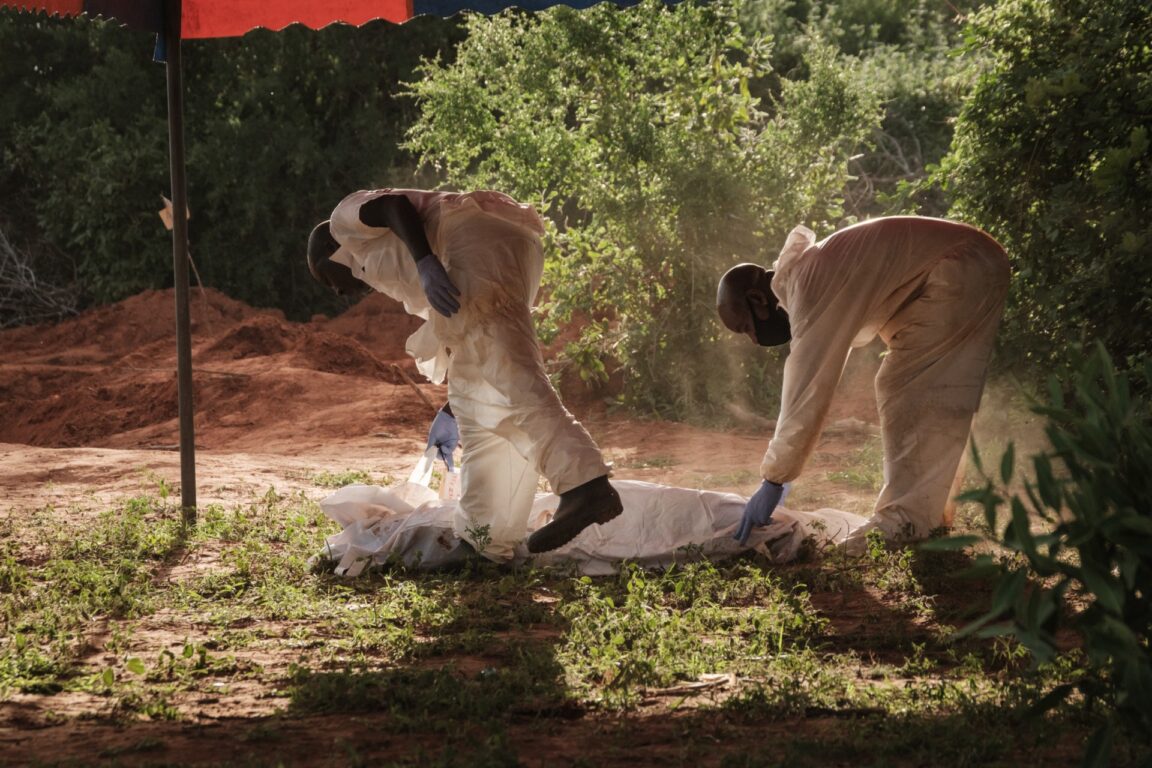
Kericho Mass Grave Probe Deepens Over Alleged Irregular Burials
What started as a routine disposal of unclaimed bodies has escalated into a criminal investigation after inconsistencies surfaced at Makaburini cemetery in Kericho. Two officials are in custody as detectives examine alleged fraud, missing burial permits, and conflicting court orders authorising the interment. Authorities are also working to establish the actual number of bodies buried, amid claims of 12 to 14 bodies and mutilated remains, with exhumations and forensic tests in progress to confirm identities and causes of death. Witness accounts suggest secrecy and irregular handling of the burials, prompting a broader investigation as the site remains sealed off as a crime scene.
(Source: Daily Nation)
Uganda
Opposition Weakens as Political Realignments Strengthen, Says MP Kimosho
Uganda’s political environment has been described as increasingly stable, with claims that opposition parties are losing influence and may face further defections to the ruling NRM. Speaking on a televised programme, it was argued that opposition groups are becoming more divided and struggling to maintain unity, with recent political shifts cited as evidence of a broader realignment. The comments come amid ongoing political activity following recent elections, including international engagements by opposition leader Robert Kyagulanyi Ssentamu (Bobi Wine), who states his outreach aims to highlight electoral integrity and human rights issues. Government officials, however, have downplayed the significance of these foreign engagements, maintaining that the country’s political situation remains stable, even as debate continues over the future strength of the opposition.
(Source: All Africa)
Tanzania
Experts Say Inquiry Commission Findings Will Drive Reform and National Healing
There is growing anticipation among legal experts, analysts, and citizens regarding the forthcoming Presidential Commission of Inquiry report, which is expected to present credible findings from a legally grounded investigation. The report is widely regarded as a vital step towards national healing, unity, and institutional reform, especially in addressing concerns linked to recent election-related violence and restoring public trust in state institutions. Analysts suggest the findings will focus on systemic failures rather than individual blame, paving the way for potential investigations, prosecutions, or compensation where appropriate, as mandated by law. Other experts, including academics and political commentators, believe the report could help dispel rumours, restore calm, and foster patriotism by demonstrating that no one is above the law and that the country is committed to self-correction. As anticipation grows, the report is seen as a possible turning point for reconciliation, reform, and renewed national cohesion.
(Source: Daily News)
Rwanda
Digital ID: How Children’s Information Will Be Updated Until Age 16
The government will start issuing digital identification from birth under a new system that develops as individuals grow, according to the National Identification Agency. A child’s digital ID will be linked to a parent or guardian’s digital wallet at birth, with limited data collected early on before full biometric registration begins at age five, such as fingerprints, iris scans, and updated facial images. A second mandatory update at age 16 will give individuals full control over their digital identity in accordance with data protection laws. At the same time, parents or guardians only oversee it during early childhood. Officials say the ID number will remain permanent for life, with occasional biometric updates allowed to keep records current. The system aims to improve secure identification while protecting personal data through encrypted biometric storage and strict authentication protocols.
(Source: The New Times)
Ethiopia
Russian Deputy Defence Minister Meets Ethiopian Air Force Chief in Moscow
Ethiopia and Russia have reaffirmed their growing defence partnership following talks in Moscow between Russia’s Deputy Defence Minister and the Commander of the Ethiopian Air Force, focusing on strengthening military cooperation and expanding bilateral ties. The discussions take place against the backdrop of steadily deepening defence engagement between the two countries, including previous high-level visits, naval training exchanges, and broader collaboration on regional security and military capacity-building. In recent years, both sides have enhanced cooperation through structured defence dialogues and intergovernmental mechanisms, with Russia also signalling its readiness to support Ethiopia’s modernisation of its armed forces in the air and naval domains. The latest engagement highlights the continued expansion of Ethiopia–Russia relations, extending beyond defence to encompass broader economic, scientific and strategic cooperation.
(Source: Addis Standard)
Sudan
SPLM-N rebels, RSF Extend Operations After Seizing Sudan’s Kurmuk
An alliance between the Rapid Support Forces (RSF) and SPLM-N has intensified military operations across Blue Nile State, advancing towards key areas south, east, and west of Ed Damazin after capturing the strategic border town of Kurmuk. The coordinated offensive has seen fighters move towards the Geissan district near the Ethiopian border, raising fears that continued gains could threaten Ed Damazin and vital infrastructure, including the Roseires Dam. Reports indicate the use of drone strikes, territorial advances, and control of key towns, with footage showing rebel presence in newly seized areas as government forces struggle to contain the push. The escalating violence has triggered mass displacement, with thousands of civilians fleeing to safer areas, amid growing humanitarian concern and limited clarity on casualties due to disrupted communications.
(Source: Sudan Tribune)
Somalia
Somalia Marks Decade of Security Reform as Defence Minister Praises UK Support
Somalia has celebrated a decade of security sector reforms, with Defence Minister Ahmed Moallim Fiqi emphasising progress made under the “Strengthening Somali National Security Architecture” programme during its closing ceremony in Mogadishu. The initiative is recognised for helping unify security policies, bolster key institutions, and enhance the operational capacity of the armed forces as part of broader efforts to rebuild a cohesive national security system. The government also acknowledged ongoing support from international partners, especially the United Kingdom, in advancing defence and security reforms to foster long-term stability. The programme’s conclusion is regarded as a significant milestone in Somalia’s continuous efforts to strengthen institutions and improve its ability to maintain peace and national security.
(Source: SONNA)