

Political and Regulatory Affairs Round Up: Issue No. 10 of 2026
Kenya
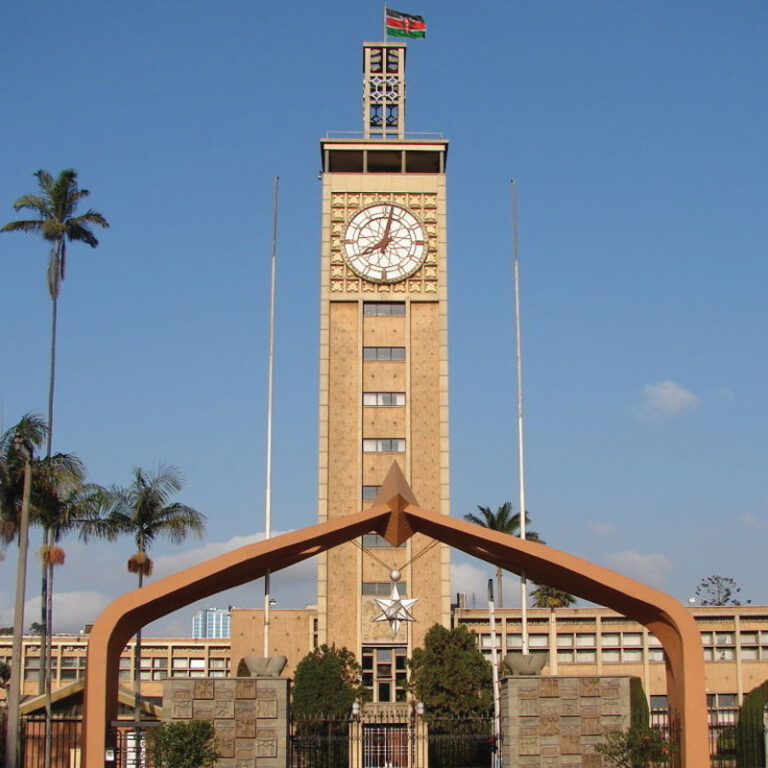
MCAs Spend KSh 822M on Foreign Travel in Six Months
Members of County Assemblies (MCAs) across Kenya spent approximately KSh822 million on foreign travel over six months, raising concerns about public expenditure. The spending, reported across 41 counties, indicates frequent international trips by devolved units, prompting scrutiny from oversight bodies and the public. Analysts warn that such spending puts additional strain on already limited county budgets, potentially diverting funds from essential services. The findings have reignited debate over accountability, value for money, and the need for stricter controls on public officials’ travel.
(Source: Daily Nation)
Tanzania
Tanzania Unveils Measures to Attract Youth into Mining Sector
Tanzania has announced a series of new government measures to encourage youth participation in mining and expand opportunities in the sector. Authorities highlighted incentives such as reduced fees for small-scale mining licences, streamlined access to financing, and targeted training programmes to equip young Tanzanians with technical and business skills. The government stated that the initiative seeks to formalise artisanal mining, increase value addition, and create jobs while ensuring environmental safeguards. Officials also emphasised efforts to integrate youth into broader mineral value chains, from exploration to processing, to maximise local benefits.
(Source: The Citizen)
Uganda
Uganda Court Strikes Down Computer Misuse Act
The Court of Appeal of Uganda has invalidated the Computer Misuse Act for violating constitutional freedoms, particularly freedom of expression, privacy, and access to information. The appellate court found several provisions of the law excessively broad and vague, potentially enabling authorities to abuse them to suppress dissent and criminalise legitimate online activities. Petitioners challenged the law’s wide-ranging definitions and punitive measures. The ruling was widely praised by civil society, digital rights advocates, and media organisations as a victory for online freedom and human rights. The government might face pressure to amend and reframe digital legislation to better balance security with constitutional liberties.
(Source: Daily Monitor)
Rwanda
Rwanda–UK Dispute: Kigali Makes Case as Arbitration Hearing Opens
Rwanda has formally presented its case against the United Kingdom at an arbitration hearing at the Permanent Court of Arbitration in The Hague, centred on the cancelled migration partnership agreement. Rwanda’s Justice Minister Emmanuel Ugirashebuja argued that the UK breached legally binding commitments, including financial obligations and refugee resettlement provisions, after scrapping the deal in 2024. Rwanda maintains that it incurred significant costs in preparing infrastructure and systems under the agreement and is seeking compensation or redress. The UK disputes the claims, insisting no further payments are due. The case is expected to test treaty obligations and could shape future state-to-state arbitration outcomes.
(Source: New Times)
Ethiopia
UN Appoints New Resident and Humanitarian Coordinator for Ethiopia
The United Nations has appointed Ozonnia Ojielo as the new Resident and Humanitarian Coordinator in Ethiopia, according to an announcement by Secretary-General António Guterres. Ojielo, a Nigerian national, brings extensive experience within the UN system, having previously held senior leadership roles in governance, peacebuilding, and development coordination. The Resident Coordinator position is central to aligning UN agencies’ work with Ethiopia’s national priorities, especially in humanitarian response and development programmes. The appointment comes as Ethiopia continues to face complex humanitarian and development challenges that require coordinated international support and engagement.
(Source: Ethiopian News Agency)
Sudan
Somoud Faces Pressure to Take Clear Position on RSF in Sudan Conflict
An opinion article argues that Sudan’s civilian coalition, Somoud (formerly the Forces of Freedom and Change), is under growing pressure to take a definitive stance in the ongoing war between the Sudanese Armed Forces (SAF) and the Rapid Support Forces (RSF). The piece contends that continued neutrality risks eroding public trust, especially amid widespread reports of atrocities largely attributed to the RSF, particularly in Darfur. It suggests Somoud has the political space to advocate for the RSF’s designation as a terrorist organisation but has hesitated due to political considerations. The article frames this as a “moral test” of leadership and accountability.
(Source: Sudan Tribune)
Somalia
Somalia Condemns Iranian Attacks on Gulf Energy Infrastructure
The government of Somalia has strongly condemned Iranian attacks targeting critical energy infrastructure in Saudi Arabia, Qatar, and the United Arab Emirates, describing them as violations of sovereignty and threats to regional stability. Mogadishu expressed full solidarity with the affected Gulf states and reaffirmed their right to self-defence under international law. The Ministry of Foreign Affairs warned that such attacks could escalate tensions and undermine global energy security. Somalia also called for restraint and renewed diplomatic engagement to de-escalate the crisis and maintain peace in the Middle East, aligning with broader international calls for dialogue rather than military confrontation.
(Source: Sonna News)