

When Technology Outpaces Consultation: The NTSA Instant Fines Debate
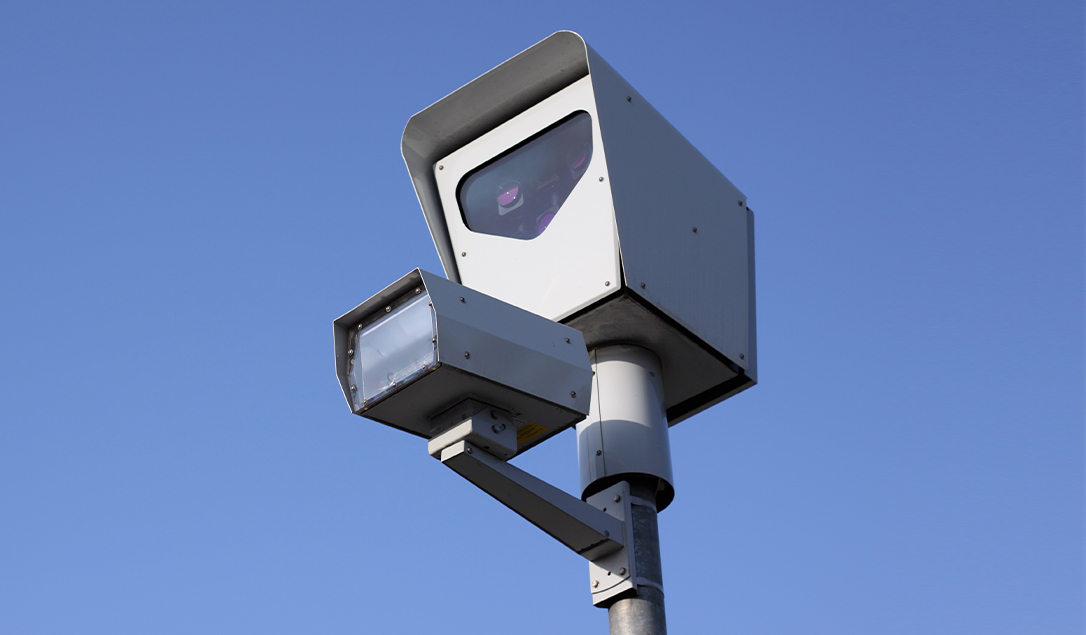
The rollout of the National Transport and Safety Authority’s (NTSA) automated instant fines system has sparked widespread debate, highlighting a critical governance issue: the lack of meaningful public participation in the programme’s design and implementation. The system, which uses CCTV cameras to detect traffic violations such as speeding and automatically issues fines to registered vehicle owners, was intended to curb reckless driving and improve road safety across the country. However, stakeholders, including transport operators, civil society organisations, and consumer advocacy groups, have raised concerns that the policy was implemented without sufficient consultation or public awareness campaigns, potentially undermining both its legitimacy and effectiveness.
Matatu operators have been particularly vocal about their exclusion from the process. Dickson Mbugua, Chairman of the Matatu Welfare Association and Secretary-General of the Federation of Public Transport Sector, argued that the rollout “ignored the realities of the public service vehicle industry.”
According to Dickson Mbugua, public participation could have enabled operators to provide input on critical aspects of the system, including fines, enforcement procedures, and payment timelines. He noted that punitive fines, coupled with a short seven-day payment window, could incentivise bribery or non-compliance if stakeholders feel the system is imposed on them without consideration of their operational realities.
This lack of engagement is especially significant given the informal nature of employment within the transport sector, where many drivers and conductors are not directly employed by vehicle owners, complicating accountability when offences occur.
Legal and rights advocates have also underscored the constitutional implications of bypassing public participation. Civil society organisations like Sheria Mtaani and lawyer Shadrack Wambui have filed a petition challenging the system, arguing that it fundamentally alters how traffic offences are detected, prosecuted, and penalised in Kenya without offering citizens an opportunity to be heard. The petition claims that the automated enforcement framework presumes guilt before due process, violating key provisions of the Constitution, including Article 50, which guarantees every accused person the right to a fair hearing. Lawyers from the Law Society of Kenya have highlighted that the instant fines system effectively converts algorithmic determinations into penalties, which could expose motorists to arbitrary or unfair treatment without recourse.
The implications of insufficient public participation are manifold. First, there is the risk of resistance from affected stakeholders, particularly transport operators who feel sidelined. Without buy-in from those expected to comply, enforcement may face practical hurdles, including deliberate non-compliance or procedural challenges. Second, motorists may perceive the system as arbitrary or unjust, eroding trust in both the technology and the authority administering it. Such perceptions are not trivial; they could encourage corrupt practices, such as bribery of traffic officers, which the system was intended to reduce. Third, legal challenges prompted by the absence of stakeholder input can delay or halt implementation, as seen when the High Court temporarily suspended the system following petitions questioning its constitutionality.
The Way Foward
To ensure the system’s effectiveness moving forward, NTSA will need to undertake significant stakeholder engagement and public education efforts. Public participation can help refine the system, for example, by adjusting fines, clarifying the process for contesting penalties, and ensuring that evidence captured by automated cameras is accessible and verifiable. Awareness campaigns, including workshops, media outreach, and forums with transport operators, could foster understanding and encourage compliance while reducing opportunities for corruption. By incorporating feedback from vehicle owners, drivers, and civil society groups, NTSA can demonstrate that the system is both fair and accountable, thereby strengthening public trust.
In addition, ongoing consultation can help the authority adapt to practical concerns raised by transport operators, such as the challenges faced by long-distance drivers who traverse multiple counties or even cross international borders. Adjusting procedures based on stakeholder feedback could prevent unintended consequences, such as penalising vehicle owners for infractions committed by drivers who are not directly under their employ, and reduce disputes over liability. Moreover, formal engagement provides an opportunity to address data protection concerns, ensuring that the automated enforcement system complies with existing laws on privacy and the use of personal information.
Ultimately, the success of the instant fines system hinges not only on technology and enforcement but also on governance and legitimacy. Policies implemented without meaningful public participation risk resistance, legal setbacks, and diminished compliance, which could undermine road safety objectives and public trust in the NTSA. By prioritising stakeholder engagement and transparent communication, NTSA has an opportunity to create a system that balances the goals of traffic law enforcement with fairness, accountability, and constitutional safeguards. Failing to address these issues, however, may limit the programme’s effectiveness, leaving the country with a technically sophisticated system that struggles to achieve the behavioural change it was designed to produce.