

Building Greener Cities Through Smarter Waste Management
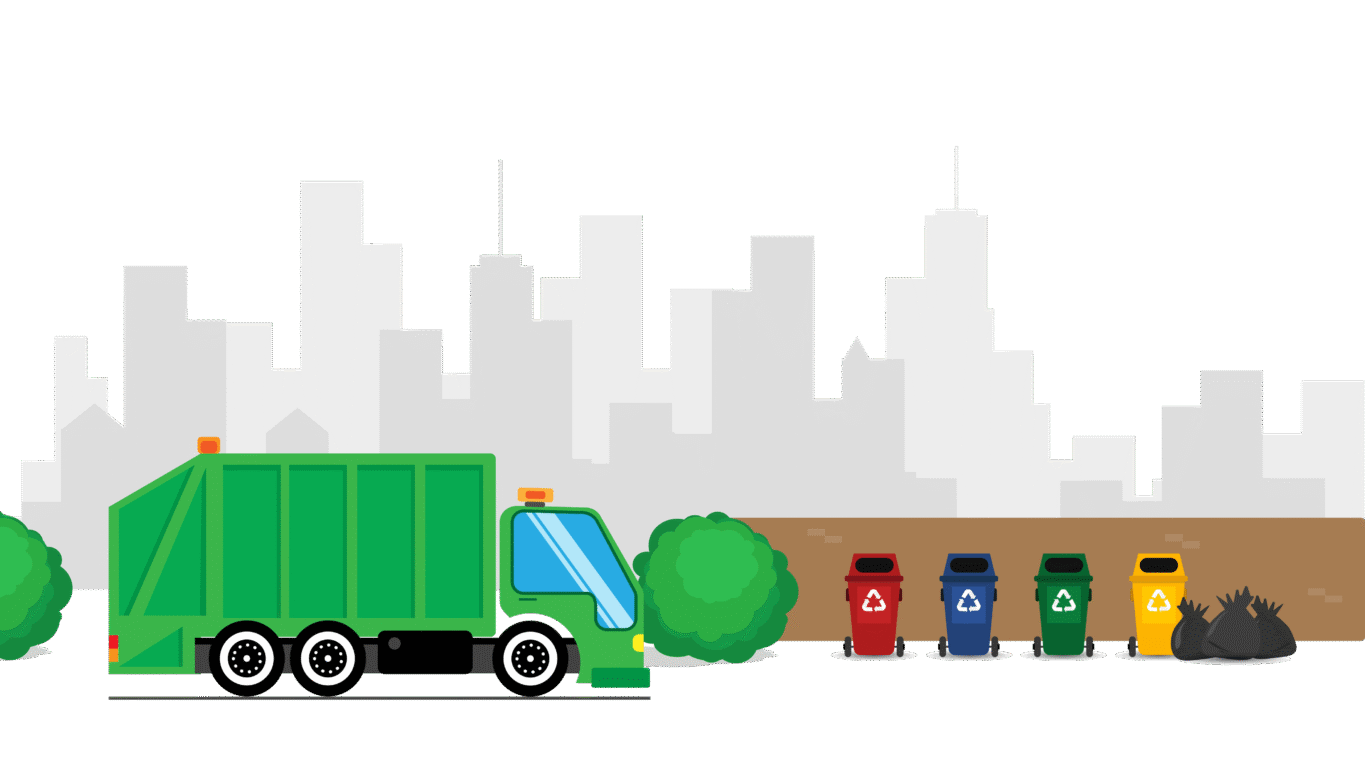
Every day, thousands of tonnes of waste accumulate across our cities. Streets are lined with overflowing bins, blocked drains, and illegal dumpsites, which have become a common sight. For many, it is easy to look away, but the scene is more than an eyesore; it reflects how our systems, policies, and choices intersect with sustainability.
Urban waste reflects how cities manage their growth. When bins overflow and trucks (or their absence) miss routes, the effects ripple beyond the streets. Waste that blocks drainage causes flooding during rain, creating breeding grounds for mosquitoes and flies, and spreading diseases like cholera and typhoid. Open burning, common in many neighbourhoods, releases toxic smoke, leading to respiratory illnesses, especially in children and the elderly.
This is where sustainability comes into play. Sustainability involves more than just planting trees and banning plastic; it also includes designing systems that safeguard the environment, people, and future generations. Waste management touches on all three aspects. It concerns how and where we dispose of our rubbish. This, in turn, influences the cleanliness of our air, the safety of our water, and the health of our communities.
Let’s consider how we dispose of plastic waste. Due to a culture of improper disposal, people most often throw plastic into drains, and the ripple effect begins. Plastic bottles may end up in rivers, oceans, or lakes and return to us as microplastics in seafood or drinking water. Managing plastic waste responsibly protects public health and keeps ecosystems clean, supporting the lives of both aquatic and terrestrial creatures.
The same applies to food waste – peels, leftovers, and spoiled produce that eventually end up in bins. When disposed of in landfills, they generate methane gas, which is more potent than carbon dioxide. However, when properly sorted and composted, it can enrich soils, enabling urban farming, and this is a perfect example of sustainability in action – turning waste into value rather than pollution.
Therefore, urban sustainability has also become a social issue we need to address. Waste workers, often informal collectors, play a crucial role in keeping cities clean. However, they work in unsafe conditions and face exposure to diseases without proper recognition. A sustainable city recognises the value of its contributions, ensures fair pay, and incorporates them into the waste management system.
To create sustainable cities, we must consider systems and recognise that waste is not an isolated issue; it is influenced by how we consume, design products, plan urban services, and behave as citizens. From production, consumption, disposal, to reuse, the Sustainable Development Goals (SDGs) illustrate this connection. Waste impacts SDG 3 (Good Health and Well-being), SDG 6 (Clean Water and Sanitation), SDG 11 (Sustainable Cities and Communities), and SDG 12 (Responsible Consumption and Production).
However, poor waste management undermines all these goals. Waste disposal is not just the city’s responsibility but also a burden for communities. From proper segregation at the source, reliable collection, composting, recycling, public awareness, to a shift in mindset, the journey towards sustainability is practical and achievable.
When we manage waste sustainably, we protect our health, environment, and dignity. Sustainability isn’t about grand gestures but about the smallest actions we take, like where we dispose of what we no longer need.